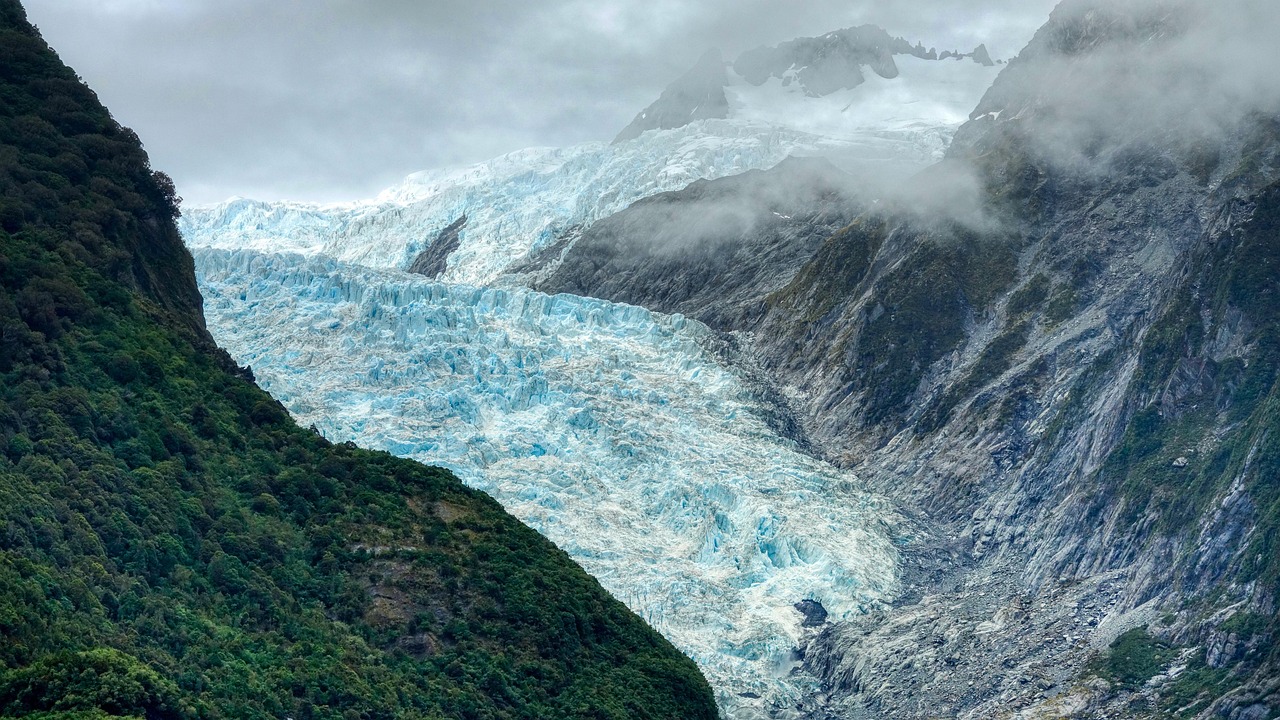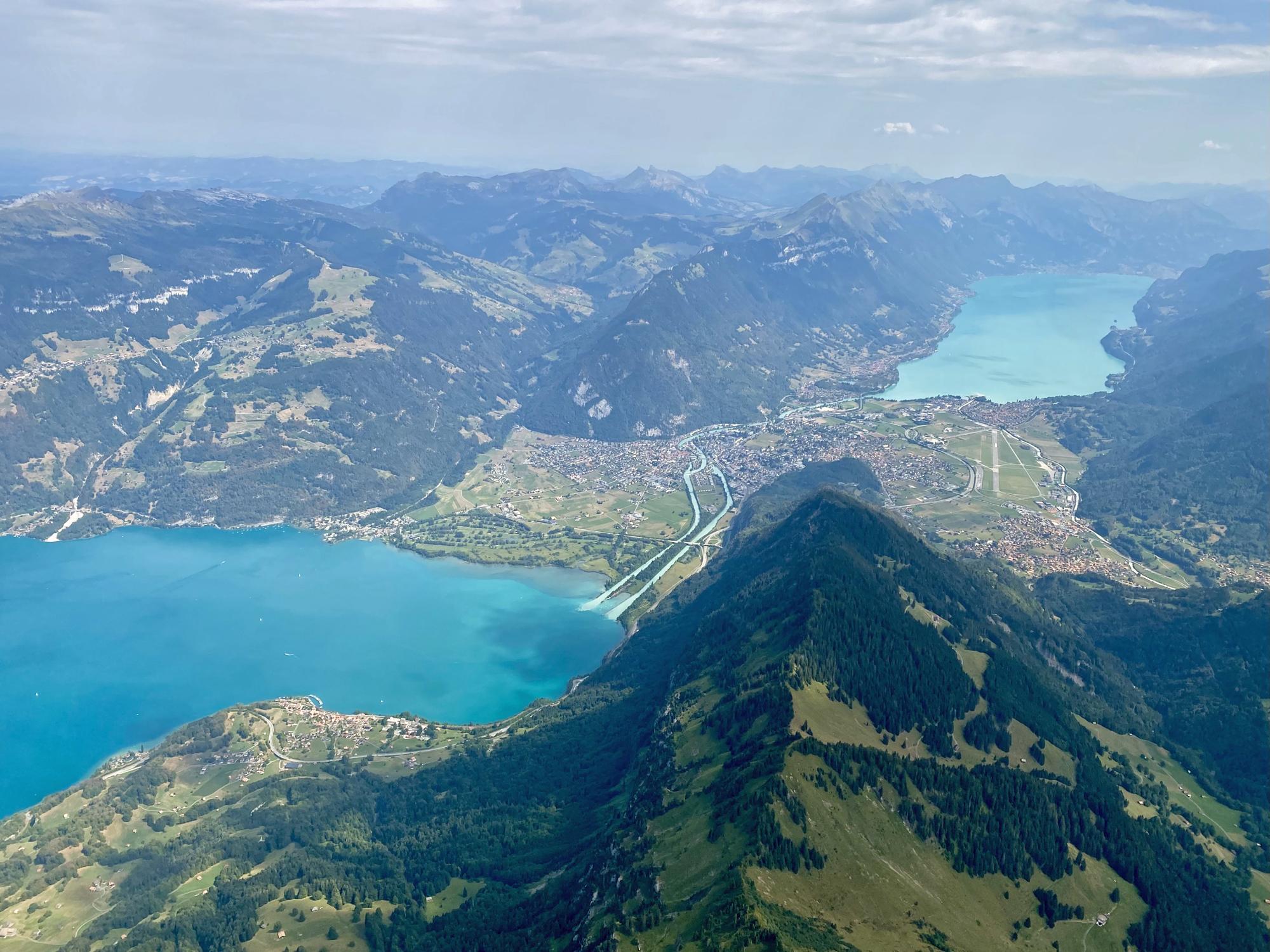
Switzerland offers some of the most dramatic mountain landscapes in the world. Viewing these vertical limestone cliffs, granite peaks, and vast glacier fields from above provides an unrivaled perspective that traditional ground transport cannot deliver. Selecting swiss alps helicopter tours allows travelers to cover massive geographic distances within a concise, highly effective timeframe.
What’s Covered
- Top Flight Routes Across the Swiss Alps
- Essential Logistics for Alpine Flight Planning
- Selecting the Right Departure Base
- Understanding Flight Durations and Costs
- Weather Rules and Cancellation Protocols
- Glacier Landings and High-Altitude Safety Standards
- Safety Standards and Pilot Certification
- Recommended Passenger Preparation
- Conclusion
Aerial excursions across the region deliver direct access to remote summits and isolated ice fields. Every flight route highlights unique geological formations, from the sharp apex of the Matterhorn to the vast expanse of the Aletsch Glacier. Choosing certified air tour operators ensures high safety standards and experienced local pilots familiar with complex alpine winds.
Whether planning a brief scenic hop or an extended mountain journey, commercial FunFlights Helicopter-Tours cater to varied itineraries, schedules, and travel budgets. Understanding route choices, primary departure bases, seasonal weather patterns, and flight inclusions helps maximize the overall travel investment and experience.
Top Flight Routes Across the Swiss Alps
Flight paths vary significantly based on departure points, regional weather, and operator specializations. Selecting the ideal path depends on individual visual preferences, budget limits, and time constraints.
- Matterhorn and Zermatt Valley: Flights originating near Zermatt circle the famous pyramid peak, offering close proximity to the Hörnli Ridge, the Dent Blanche, and surrounding 4,000-meter peaks.
- Jungfrau Region and Eiger North Face: Departing from Interlaken or Lauterbrunnen, this route targets the iconic trio of the Eiger, Mönch, and Jungfrau, passing directly over the vast Aletsch Glacier system.
- Mont Blanc Massif: Operating near the western border near Verbier, these extended journeys cover dramatic border ice falls, jagged ridges, and high-altitude alpine passes between Switzerland, Italy, and France.
- Lake Lucerne and Central Massifs: Shorter central routes focus on Mount Pilatus, Mount Titlis, and the Uri Alps, combining deep lake vistas with sheer vertical cliff faces.
Each route provides distinct altitude variations, photo opportunities, and terrain contrasts. Morning flights often yield the clearest atmospheric conditions before thermal clouds build over high alpine summits during summer afternoons.
Essential Logistics for Alpine Flight Planning
OrganizingFunFlights Helicopter-Tours requires careful attention to operational logistics, weather dependencies, fleet types, and departure locations.
Selecting the Right Departure Base
Major aviation hubs exist in Lauterbrunnen, Interlaken, Zermatt, Sion, and St. Moritz. Selecting a departure point near primary accommodation centers reduces overall road travel time. Smaller helipads near mountain villages offer direct takeoff into scenic valleys, while larger regional airports maintain broader fleet options and multi-lingual staff.
Understanding Flight Durations and Costs
Standard sightseeing packages range from 15-minute introductory loops to 60-minute extended excursions across multiple valleys. Pricing structures depend on per-person shared rates or private charter arrangements. Shared flights follow set timetables, whereas private charters allow customized departure schedules, extended hover times, and custom flight paths.
Weather Rules and Cancellation Protocols
High-altitude mountain weather changes quickly across alpine valleys due to shifting winds and cloud density. Operators monitor wind velocity, cloud ceiling heights, and atmospheric stability strictly before clearing aircraft for takeoff. Reliable aviation companies offer full refunds or flexible rescheduling options when meteorological conditions delay or cancel scheduled flights.
- Always verify operator policies regarding cloud-cover delays and sudden mountain fog.
- Confirm if booking modifications incur additional administrative fees or seasonal penalties.
- Ensure personal travel insurance explicitly covers aviation activity cancellations due to localized mountain weather.
Glacier Landings and High-Altitude Safety Standards
Many swiss alps helicopter tours include a temporary landing on designated high-altitude glaciers above 3,000 meters. This special feature grants passengers the rare opportunity to step onto untouched snowfields surrounded by towering peaks.
Safety Standards and Pilot Certification
Swiss Federal Office of Civil Aviation (FOCA) enforces stringent safety mandates for commercial mountain operators. Pilots undergo specialized flight training for high-altitude landings, mountain wave turbulence handling, and glacier approaches. Aircraft feature modern turbine engines optimized for thin air performance and equipped with advanced satellite navigation systems.
Recommended Passenger Preparation
Proper physical preparation enhances comfort during high-altitude operations and temperature drops on glacier surfaces. Sunlight reflects intensely off snow and ice surfaces, making UV protection mandatory even on overcast days.
- Wear layered windproof clothing to adapt to rapid temperature changes between ground level and high-altitude snowfields.
- Bring sturdy footwear with non-slip rubber soles suitable for navigating slick glacier surfaces safely.
- Equip polarized sunglasses and high-SPF sunscreen to block intense mountain ultraviolet radiation effectively.
- Keep camera equipment secure with wrist or neck straps during flight manoeuvres and landing stops.
Conclusion
Reserving swiss alps helicopter tours delivers an efficient and breathtaking way to experience Switzerland’s rugged alpine geography. By selecting reputable operators, choosing suitable flight routes, and planning around optimal weather windows, travelers secure exceptional aerial views of Europe’s most famous mountain range.
Key Points
- Switzerland’s helicopter tours provide a unique aerial perspective of its dramatic mountain landscapes, including limestone cliffs, granite peaks, and glaciers.
- Flight routes for Swiss Alps helicopter tours vary significantly based on departure points, weather conditions, and operator specializations.
- Flights can depart from major hubs like Lauterbrunnen, Interlaken, and Zermatt, with smaller helipads offering direct access to scenic valleys.
- Standard sightseeing packages range from 15 to 60 minutes, with pricing based on shared or private charter arrangements.
- High-altitude helicopter tours often include glacier landings above 3,000 meters, allowing passengers to step onto untouched snowfields.
- The Swiss Federal Office of Civil Aviation enforces strict safety standards, requiring pilots to undergo specialized training for mountain conditions.