
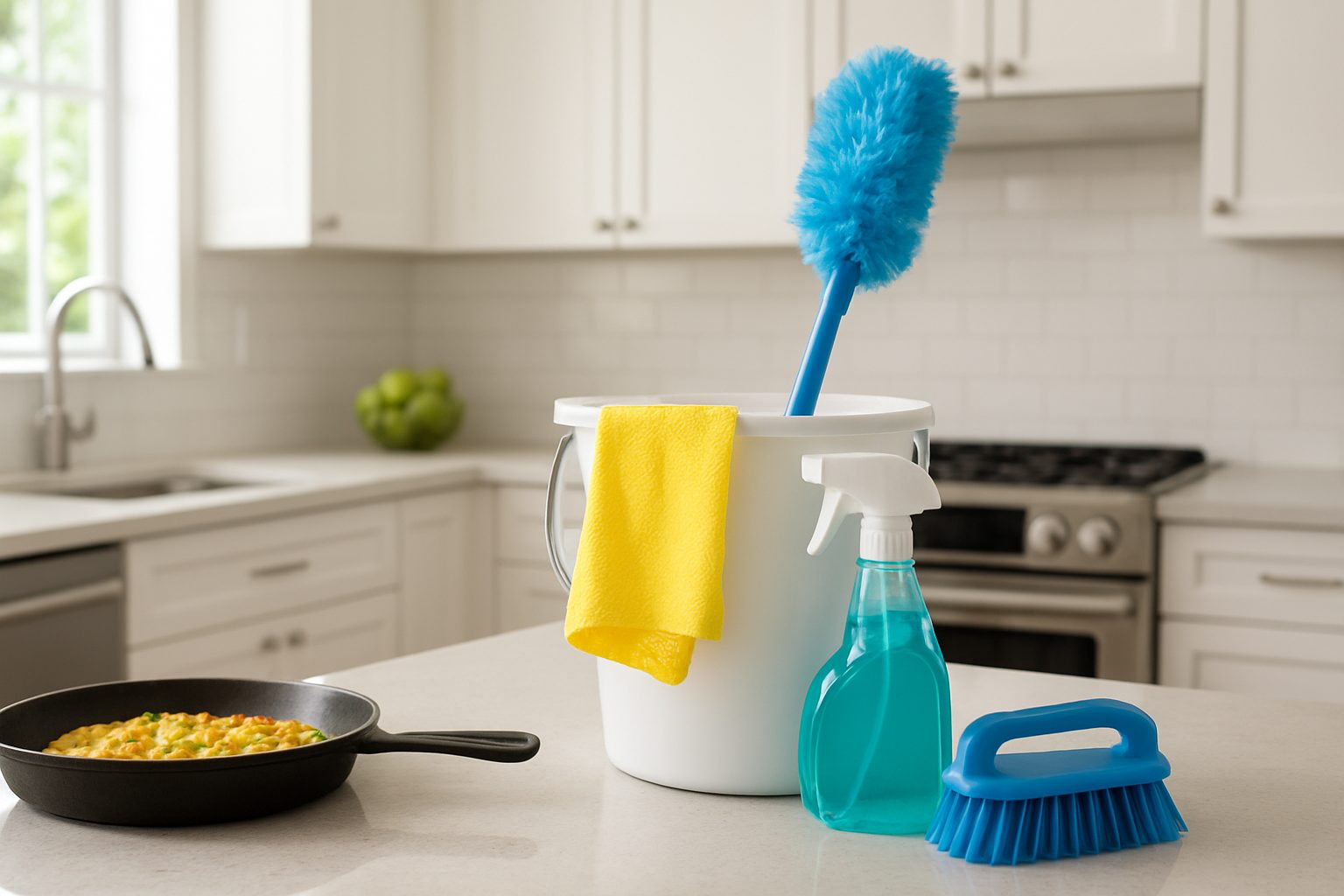
Florida’s food service industry operates under some of the strictest health and safety regulations in the country. Restaurant owners who take cleanliness seriously know that a standard nightly wipe-down simply does not reach the level of sanitation that a professional deep clean achieves. When you schedule restaurant deep cleaning Florida services, you are making a deliberate investment in the health of your guests, the safety of your staff, and the long-term reputation of your business.
What’s Covered
- Why Regular Deep Cleaning Goes Beyond Surface-Level Tidiness
- What Does a Professional Restaurant Deep Clean Actually Cover?
- Kitchen and Cooking Areas
- Refrigeration and Cold Storage
- Floors, Drains, and Walls
- Dishwashing Stations and Warewashing Equipment
- Front of House and Dining Areas
- How Often Should Florida Restaurants Schedule a Deep Clean?
- The Impact of Deep Cleaning on Health Inspections in Florida
- Choosing a Qualified Restaurant Deep Cleaning Service in Florida
- Building a Culture of Cleanliness in Your Restaurant
- A Cleaner Restaurant Is a Stronger Restaurant
A dining establishment is only as strong as the environment it creates. Guests notice everything — from the condition of the restrooms to the smell of the kitchen exhaust hood. A professionally deep-cleaned restaurant sends an immediate signal of quality and care that no amount of marketing can replicate.
Why Regular Deep Cleaning Goes Beyond Surface-Level Tidiness
Daily cleaning routines handle the visible mess. Deep cleaning handles the invisible one. Grease accumulates inside hood vents and ductwork. Bacteria colonize behind refrigeration units, beneath prep tables, and along floor drains. Mold spores settle into tile grout, walk-in cooler gaskets, and behind wall panels. These are the areas that standard cleaning crews rarely reach — and the ones that health inspectors scrutinize most carefully.
Florida’s warm, humid climate accelerates microbial growth compared to most other states. This means that organic matter left in hard-to-reach spaces can develop into a hygiene problem faster than restaurant owners typically anticipate. Professional deep cleaning crews use commercial-grade degreasers, sanitizing agents, and specialized equipment to address these areas thoroughly and systematically.
The difference between passing a health inspection with flying colors and receiving a violation notice often comes down to whether a restaurant has committed to a professional deep cleaning schedule.
What Does a Professional Restaurant Deep Clean Actually Cover?
A comprehensive restaurant deep cleaning service is methodical and covers every zone of the establishment — front of house, back of house, and the often-neglected spaces in between.
Kitchen and Cooking Areas
The kitchen is the heart of any restaurant, and it is also the zone that accumulates the most grease, debris, and bacteria. Professional cleaners disassemble and degrease cooking equipment including fryers, griddles, ovens, and ranges. They clean behind and beneath every appliance, scrub burner grates, descale steam equipment, and treat tile surfaces and grout lines with appropriate agents.
Hood systems and exhaust fans require particular attention. Grease-laden vapors pass through these systems daily, and without regular professional cleaning, the buildup becomes both a hygiene risk and a serious fire hazard. Certified technicians clean the hood canopy, filters, plenum chambers, and internal ductwork — areas that are simply inaccessible during routine maintenance.
Refrigeration and Cold Storage
Walk-in coolers and freezers harbor unique sanitation challenges. Door gaskets collect moisture and organic debris that encourages mold growth. Interior walls, shelving units, and floor drains require thorough cleaning and sanitizing. Coils and condenser units are cleaned to maintain proper airflow and efficiency. Commercial refrigerators and prep unit interiors are emptied, scrubbed, and sanitized before being restocked.
Floors, Drains, and Walls
Kitchen floors endure heavy traffic, grease splatter, and constant moisture. Deep cleaning involves degreasing the floor surface, scrubbing grout lines, treating drain baskets and drain interiors, and applying appropriate sanitizers. Wall tiles behind cooking stations and prep areas receive the same attention, removing baked-on residue and sanitizing the surface from top to bottom.
Dishwashing Stations and Warewashing Equipment
Commercial dishwashers, sanitizing sinks, and the surrounding area accumulate food particles, limescale, and soap residue. Professional cleaners descale the dishwasher interior, clean spray arms, clear debris from filters, and ensure the unit is operating at peak sanitation performance.
Front of House and Dining Areas
While the kitchen demands the most intensive attention, front-of-house cleanliness directly shapes the guest experience. Deep cleaning of dining areas includes cleaning light fixtures, ceiling fans, and ventilation grilles. Upholstered seating, booth frames, table bases, and chair legs are cleaned and sanitized. High-touch surfaces such as menus, hostess stands, and bar tops receive focused treatment.
Restrooms are cleaned comprehensively — grout lines, behind fixtures, beneath vanity units, and all surfaces are treated with appropriate disinfectants.
How Often Should Florida Restaurants Schedule a Deep Clean?
The right frequency depends on the volume of service, the type of cuisine being prepared, and the overall layout of the restaurant. High-volume establishments that operate across multiple shifts benefit from more frequent professional deep cleans. Kitchens that handle significant quantities of fried food generate grease buildup at a faster rate and therefore require more consistent attention.
As a general framework, most full-service Florida restaurants benefit from professional deep cleaning on a monthly basis, with quarterly deep cleans of exhaust hood systems at minimum. Seasonal spikes in business — particularly in Florida’s tourism-heavy markets — often warrant more frequent scheduling.
Post-renovation cleanings, end-of-lease cleanings, and pre-opening cleanings represent additional situations where a thorough professional service is essential rather than optional.
The Impact of Deep Cleaning on Health Inspections in Florida
Florida’s Division of Hotels and Restaurants conducts unannounced inspections of food service establishments. Inspectors assess everything from proper food storage temperatures to the cleanliness of hard-to-reach equipment surfaces. A restaurant with a consistent professional deep cleaning program is far better positioned to pass these inspections without critical violations.
Critical violations in Florida can result in temporary closure, public record entries on the state health department’s website, and lasting damage to a restaurant’s reputation. Many of the most common critical violations — including pest evidence, improper sanitization of equipment, and mold growth — are directly preventable through regular professional deep cleaning.
Maintaining a documented cleaning schedule also demonstrates due diligence to inspectors, which can positively influence the outcome of an inspection when minor issues are found.
Choosing a Qualified Restaurant Deep Cleaning Service in Florida
Not all cleaning companies are equipped to handle the specialized demands of commercial kitchen environments. When evaluating providers, restaurant owners should look for companies that hold relevant commercial cleaning certifications, carry appropriate insurance coverage, and have documented experience with food service facilities specifically.
A qualified provider will conduct a pre-service walkthrough to assess the scope of work, identify priority areas, and develop a cleaning plan tailored to the facility. They will use food-safe, commercial-grade cleaning products and follow established sanitation protocols throughout the process.
Transparency matters too. Reputable companies provide detailed service reports after each visit, documenting which areas were cleaned and how. This paper trail is valuable for internal accountability and useful to have on hand during health inspections.
Building a Culture of Cleanliness in Your Restaurant
Professional deep cleaning is most effective when it complements — rather than compensates for — strong daily cleaning habits among staff. Training front-of-house and back-of-house teams to maintain cleanliness throughout each shift reduces the burden on deep cleaning visits and keeps the restaurant in a consistently presentable state.
Simple practices make a meaningful difference: wiping down surfaces between service periods, checking floor drain covers at the end of each shift, and rotating refrigerator contents to prevent forgotten items from spoiling. When staff understand why these habits matter, compliance improves naturally.
Posting clear cleaning checklists in staff areas, assigning specific cleaning responsibilities to team members, and incorporating sanitation into regular staff meetings are all practical ways to strengthen a restaurant’s overall hygiene culture.
A Cleaner Restaurant Is a Stronger Restaurant
Guests return to restaurants where they feel comfortable and confident. That confidence is earned through the quality of the food, the warmth of the service, and the cleanliness of the environment. Professional restaurant deep cleaning in Florida is not a luxury — it is a fundamental component of running a food service business responsibly and successfully.
Scheduling regular deep cleans protects your guests, supports your staff, satisfies health regulators, and preserves the investment you have made in your establishment. The restaurants that treat cleanliness as a core operational priority are the ones that build lasting reputations and loyal customer bases.
If you are ready to bring your restaurant up to the highest standard of cleanliness, connecting with a certified Florida restaurant deep cleaning provider is the right first step.
Key Points
- Florida’s food service industry is governed by strict health and safety regulations that emphasize the importance of cleanliness.
- Regular deep cleaning goes beyond daily cleaning routines and addresses hidden areas where grease and bacteria accumulate.
- Professional deep cleaning services use commercial-grade equipment and sanitizing agents to ensure thorough sanitation in hard-to-reach spaces.
- Areas such as kitchen exhaust systems, refrigeration units, and dishwashing stations require specialized cleaning attention to prevent hygiene risks.
- High-volume and fried-food establishments benefit from more frequent deep cleaning on a monthly basis to manage grease buildup.
- A restaurant’s commitment to a professional deep cleaning schedule can significantly impact its success in health inspections.